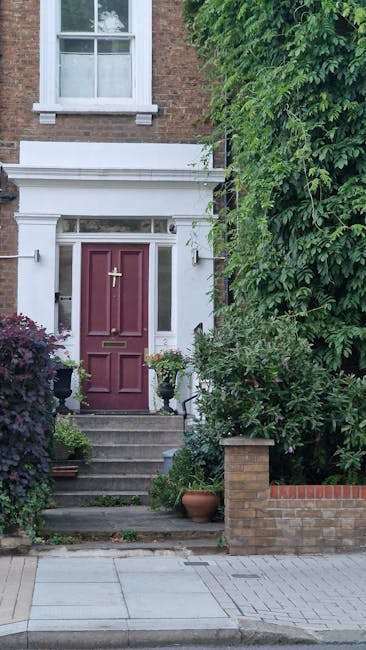
Choosing gardeners for Pembridge Villas gardens Notting Hill
If you are weighing up Choosing gardeners for Pembridge Villas gardens Notting Hill, you are probably looking for more than someone to cut the grass and leave. Pembridge Villas has a particular feel: tidy front spaces, private garden squares, mature planting, and the kind of London setting where the wrong approach shows quickly. A good gardener keeps things calm, neat, and thriving. A poor one, well, you notice that too.
This guide walks through what matters, how to compare gardeners properly, and how to avoid the usual mistakes. It is written for people who want practical help, not vague advice. You will also find a simple checklist, a comparison table, and a few real-world pointers that make the decision easier.
Table of Contents
- Why Choosing gardeners for Pembridge Villas gardens Notting Hill Matters
- How Choosing gardeners for Pembridge Villas gardens Notting Hill Works
- Key Benefits and Practical Advantages
- Who This Is For and When It Makes Sense
- Step-by-Step Guidance
- Expert Tips for Better Results
- Common Mistakes to Avoid
- Tools, Resources and Recommendations
- Law, Compliance, Standards, or Best Practice
- Options, Methods, or Comparison Table
- Case Study or Real-World Example
- Practical Checklist
- Conclusion
- Frequently Asked Questions
Why Choosing gardeners for Pembridge Villas gardens Notting Hill Matters
Garden care in a place like Pembridge Villas is not just about appearances. The right gardener helps protect planting investments, preserves the feel of the property, and keeps outdoor areas functional through the wetter months, summer growth spurts, and those awkward in-between seasons when everything seems to need attention at once.
In Notting Hill, gardens often have a mix of mature shrubs, compact lawns, boundary hedges, container planting, and occasionally awkward access. That means skill matters. A gardener who understands small urban gardens will usually work very differently from someone used to large suburban plots. They will know how to shape a space without overworking it, and how to keep it looking deliberate rather than simply "done".
There is also a practical side. Regular maintenance can reduce the need for bigger interventions later. Left too long, a hedge gets woody, a lawn thins out, beds become crowded, and clearance becomes a half-day job that somehow turns into a full weekend. We have all seen that happen. It starts with "it can wait", and then suddenly it really cannot.
For landlords, managing agents, and homeowners alike, choosing well means fewer surprises and better long-term value. It also means peace of mind, which is underrated. A garden should be something you enjoy, not another job hanging over you on a Sunday.
How Choosing gardeners for Pembridge Villas gardens Notting Hill Works
The process is usually straightforward, but the details matter. First, you identify the type of help needed. Is it one-off garden clearance, regular maintenance, lawn care, hedge trimming, or a more involved redesign? Then you compare gardeners based on experience, approach, and how well they understand your space.
A proper assessment should start with the garden itself. Size, access, soil condition, shade, planting style, and how often the space is used all influence what kind of gardener you need. A small courtyard with container planting is not the same as a shared square with mature borders. Obvious enough, but it is amazing how often this gets glossed over.
Many people think the decision is mainly about price. It is not. Price matters, of course, but so do reliability, communication, equipment, knowledge of seasonal work, and whether the gardener can keep a tidy rhythm over time. The best fit is the one that matches your garden's actual needs, not the one with the flashiest pitch.
For some properties, a service mix works best: regular mowing and hedge trimming, with seasonal clearance or planting refreshes as needed. For others, especially where privacy and presentation matter, a gardener with wider landscaping experience may be a better choice. If you want to see how a broader service structure can support different garden types, it can help to review the services overview before you decide.
Key Benefits and Practical Advantages
Choosing the right gardener gives you more than a neat border and a clipped hedge. The real benefits build up over time, and they are very noticeable once they are gone.
- Better presentation: A well-kept garden makes the property feel cared for, which matters in a prominent London setting.
- Healthier plants: Correct pruning, feeding, and seasonal timing help plants recover and grow strongly.
- Less reactive work: Routine visits stop the garden from swinging between overgrown and over-strimmed.
- More useful outdoor space: You can actually use the garden instead of avoiding it because it feels unfinished.
- Lower long-term stress: Regular care is easier to budget for and manage than emergency fixes.
There is also a subtle but real benefit: consistency. A gardener who knows the space will notice small changes early. A patchy lawn, a hedge starting to drift, a drainage issue after rain, or a bed that needs dividing before it collapses into itself. Small things, yes. But they add up.
And if your garden needs heavier work before routine care can begin, it may be worth looking at garden clearance first, then moving to ongoing garden maintenance. That sequence often saves time and avoids paying for repeated catch-up work.
Who This Is For and When It Makes Sense
This guide is useful for homeowners, tenants with permission to improve a garden, landlords, estate managers, and anyone responsible for communal or private outdoor space around Pembridge Villas. It is especially relevant if your garden needs more than a quick tidy-up.
You may need a gardener if:
- the space has become overgrown and needs a reset
- the lawn is uneven, patchy, or taking too much time to manage
- hedges are starting to look scruffy or block light
- you want seasonal planting without managing it yourself
- you need regular maintenance but do not want a full redesign
- the garden is small, awkward, or difficult to access and needs careful handling
It also makes sense if you simply want the garden to look consistently good without spending every spare hour in it. Truth be told, many people enjoy gardening in theory and then lose the battle with British weather, busy weeks, and plants that seem to have their own agenda.
If your property includes trees, higher hedging, or mature planting, you may need a gardener who works alongside specialist services. In those cases, checking whether they can coordinate more complex work such as tree lopping and removal can be useful, even if that is not needed immediately.
Step-by-Step Guidance
1. Define what your garden actually needs
Before you contact anyone, write down the practical tasks. Be specific. "Improve the garden" is not enough. Try "monthly maintenance, hedge shaping, lawn mowing, border weeding, and seasonal tidy-ups". The more precise you are, the easier it is to compare quotes properly.
2. Separate one-off work from ongoing care
One-off work is ideal for a neglected garden or a pre-sale refresh. Ongoing care works better for properties where the garden needs regular attention. Some people need both: a deep initial reset, then light maintenance afterward. That is often the cleanest route.
3. Check whether the gardener understands your type of garden
A gardener who regularly works on compact urban gardens should be comfortable with limited access, shared boundaries, seasonal privacy planting, and neat finishes. If your garden is part ornamental, part practical, they should be able to balance both. Not every gardener is equally strong across all garden types, and that is perfectly normal.
4. Compare scope, not just price
Ask what is included. Does the quote cover waste removal? Are materials included or billed separately? Will they bring their own tools? What happens if weather delays the job? A lower price can be excellent value, but only if the scope is clear. Otherwise the bill grows legs.
5. Look for communication that feels organised
If a gardener responds clearly, asks sensible questions, and explains how they work, that is a good sign. Garden care is hands-on, yes, but good administration matters too. Missed visits, vague promises, or confusing quotes usually cause problems later.
6. Start with a trial visit if you are unsure
For some properties, a single initial visit is the smartest way to judge fit. You see how they work, how tidy they are, and whether they leave the space in better shape than they found it. One session can tell you a lot. Sometimes more than a polished sales pitch ever will.
7. Review and refine after the first few visits
Once work begins, check whether the garden is improving in a steady, visible way. If something feels off, say so early. Good gardeners welcome feedback. The point is not perfection on day one; it is a rhythm that gets better over time.
Expert Tips for Better Results
Here are a few things that tend to make the biggest difference in real gardens, not just on paper.
- Choose by outcomes, not promises. Ask what a tidy, healthy garden looks like after three months, not just after one visit.
- Match the gardener to the season. In spring and early summer, growth can explode. In autumn, clearance and tidying become more important.
- Prioritise pruning skill. Hedge trimming and shaping take judgement. Too much, and the plant suffers. Too little, and the garden looks tired.
- Keep a simple record. A basic note of what was done and when helps you spot patterns and plan better.
- Ask about waste handling early. It is one of those small details that becomes a big annoyance if ignored.
A useful rule of thumb: if the gardener talks only about speed, be cautious. Speed has its place, but skill and consistency matter more in a garden where presentation is visible from the street or courtyard. You want careful hands, not just quick hands.
For regular upkeep, services like lawn mowing and hedge trimming often do the heavy lifting. When done well, they make the whole place feel sharper without needing dramatic intervention.
Common Mistakes to Avoid
Choosing gardeners can go wrong in fairly predictable ways. Nothing dramatic, usually. Just small errors that turn into annoying repeat problems.
- Picking purely on the cheapest quote: Cheap can be fine, but only if the scope, reliability, and quality are there too.
- Not defining the work properly: If the brief is vague, the result will be vague as well.
- Ignoring access issues: Tight side passages, shared entrances, and storage limitations all affect how the job is done.
- Assuming all gardeners do the same kind of work: Some are strong on maintenance, others on landscaping, and some do both well. You need the right match.
- Forgetting seasonal timing: Certain jobs are best done at specific times. Bad timing can stress plants or create avoidable mess.
- Overlooking waste removal and cleanup: A garden job is not finished if the debris is left behind.
Another common mistake is expecting a neglected garden to look perfect after one visit. Sometimes that happens, but often it needs two phases: first stabilise, then refine. It is a bit like a room that needs decluttering before decorating. You cannot skip the middle bit and hope for magic. Well, you can, but you will probably be disappointed.
Tools, Resources and Recommendations
You do not need to become a gardening expert yourself, but a little basic knowledge helps. If you understand the main tasks and what tools are involved, it is easier to judge whether a gardener is properly equipped.
| Need | What to look for | Why it matters |
|---|---|---|
| Routine upkeep | Reliable scheduling, mower, trimmer, hand tools | Keeps the garden neat without overcomplicating things |
| Border work | Pruning shears, gloves, feed, edging tools | Helps maintain shape and plant health |
| Clearance | Waste bags, loading plan, safe handling process | Stops bulky debris becoming a separate headache |
| Landscaping support | Design awareness, measured planting, materials knowledge | Improves structure and long-term usability |
| Sustainability | Waste sorting, reuse where sensible, efficient visits | Reduces avoidable waste and keeps work practical |
It can also help to check whether the team works in a way that suits your expectations around tidiness, recycling, and disposal. If that matters to you, this page on recycling and sustainability gives a useful sense of how garden waste and responsible practice may be handled.
For bigger transformations, a gardener with experience in landscape gardening or broader landscaping can help if the space needs more than upkeep. That said, many gardens do best with a steady maintenance-first approach. Fancy redesigns are not always the answer.
Law, Compliance, Standards, or Best Practice
For most domestic gardens, the practical focus is on safe working, clear agreements, and sensible standards rather than anything highly technical. Still, a good gardener should operate with care and professionalism.
Best practice usually includes:
- using safe working methods for ladders, tools, and cutting equipment
- keeping pathways and access points clear during work
- protecting property surfaces, borders, and nearby plants where possible
- handling waste responsibly and leaving the site tidy
- being clear about what is included, what is extra, and when work will happen
If the work involves more complex equipment, heavier clearance, or tree-related tasks, ask how safety is managed. You do not need a lecture; you need reassurance that the work will be handled properly. For further peace of mind, it is sensible to check a provider's approach to insurance and safety and their published health and safety policy.
Where agreements are involved, especially for regular work, clear written terms help avoid misunderstandings. That is true whether you are a homeowner, a resident association, or a managing agent. A straightforward, respectful arrangement usually works best. No drama, just clarity.
Options, Methods, or Comparison Table
Different gardens need different service styles. The table below compares the main approaches people usually consider.
| Option | Best for | Pros | Watch out for |
|---|---|---|---|
| One-off tidy-up | Overgrown or neglected gardens | Fast reset, immediate visual improvement | May not solve long-term upkeep |
| Regular maintenance | Gardens that must stay presentable | Consistent appearance, easier planning | Requires ongoing budget and scheduling |
| Seasonal visits | Lower-use spaces or secondary gardens | Flexible and cost-conscious | Can allow weeds or growth to build between visits |
| Maintenance plus landscaping | Gardens needing both care and improvement | Balances function and design | Needs a team with broader experience |
If your priority is a polished finish close to the street or shared frontage, routine care is often the most efficient route. If the space feels tired or awkward, a combined approach can work better. The key is not to overbuy services you do not need. A neat, healthy garden is the goal, not an expensive checkbox exercise.
Case Study or Real-World Example
Consider a typical Pembridge Villas-style garden: a compact rear space with a modest lawn, some mature shrub planting, a couple of boundary hedges, and a few containers near the seating area. At first glance, it looks manageable. Then autumn arrives, leaves gather in corners, the lawn stops responding evenly, and one hedge begins shading the seating area more than expected.
The homeowner initially wants "just a tidy". After a proper assessment, the smarter plan turns out to be a first clearance visit, followed by monthly maintenance and seasonal hedge shaping. The difference is noticeable within a few weeks. The garden feels lighter, the borders breathe again, and the lawn stops looking patchy because the routine is now consistent.
What made the biggest difference was not expensive planting or a dramatic redesign. It was the discipline of doing the right work in the right order. Simple, really. But that simplicity is exactly what people often miss.
That kind of approach is often supported by established services such as garden maintenance paired with a broader plan from the start. If the garden had needed a deeper reset, the team might also have used garden clearance before settling into the routine.
Practical Checklist
Use this checklist before you hire anyone. It is simple, but it catches a lot.
- Have I defined exactly what needs doing?
- Do I need one-off help, regular visits, or both?
- Has the gardener worked with similar gardens before?
- Do they explain their process clearly?
- Is waste removal included or discussed separately?
- Do they seem comfortable with access, hedges, lawn care, and borders?
- Have I asked about timing, seasonal work, and any likely delays?
- Is there a clear way to contact them if something changes?
- Have I checked the practical details around safety and insurance?
- Do I feel confident they will leave the space tidy, not just "finished"?
If you can answer yes to most of those, you are usually on the right track. And if a few answers are unclear, that is fine too. Ask again. Better to clarify now than to sort it out later when the weather has turned and the plants are, frankly, having a moment.
Get a free quote today and see how much you can save.
Conclusion
Choosing gardeners for Pembridge Villas gardens Notting Hill is really about choosing consistency, judgement, and a style of care that suits the property. The best gardener is not just someone who can make a space look tidy for a day. It is someone who understands how to keep it healthy, presentable, and easy to live with over time.
If you take away one thing, let it be this: match the gardener to the garden's real needs. That means looking beyond price, asking practical questions, and paying attention to how clearly they think about the work. Do that, and the whole process becomes much less stressful.
And when the garden is finally in rhythm again, it has a way of giving something back. A calmer view from the window, a nicer place to sit, a bit more breathing room. Small things, maybe. But they matter.
Frequently Asked Questions
What should I look for when choosing gardeners for Pembridge Villas gardens Notting Hill?
Look for clear communication, experience with similar urban gardens, practical knowledge of maintenance, and a quote that explains exactly what is included. Local awareness helps too, especially where access and presentation matter.
Is a one-off tidy-up enough for a garden in Pembridge Villas?
Sometimes, yes. If the garden is generally healthy and just needs a reset, a one-off visit can work well. If growth is recurring or the space needs regular attention, ongoing maintenance is usually better.
How often should a garden in Notting Hill be maintained?
It depends on the garden, but many urban gardens benefit from regular visits during the growing season. Lawn care, hedge trimming, and border work often need a steadier schedule than people first expect.
Should I choose a gardener or a landscaper?
If you mainly need upkeep, a gardener is usually the right fit. If the space needs structural changes, new planting plans, or a more involved redesign, someone with landscaping experience may be more suitable.
How do I compare quotes fairly?
Compare the scope, not just the price. Check whether waste removal, materials, access issues, and follow-up visits are included. A cheaper quote can become expensive if it leaves out the essentials.
What questions should I ask before hiring?
Ask about experience, scheduling, what tools they use, how they handle waste, whether they have insurance, and how they approach seasonal work. Simple questions, but they reveal a lot.
Can a gardener help with hedge trimming and lawn care as well?
Yes, many can. In fact, those are two of the most common maintenance tasks. It is worth confirming they have the right equipment and know how to keep both tasks neat and plant-friendly.
What if my garden needs clearing before maintenance can start?
That is common. A good plan is often clearance first, then routine care. This helps the gardener work efficiently and gives the garden a cleaner starting point.
Are there safety or insurance checks I should make?
Yes. It is sensible to ask how they manage safety on site, especially for equipment, ladders, and heavier work. You should also check their insurance position before any work begins.
How can I tell if a gardener is reliable?
Reliability shows up in the basics: punctual replies, clear quotes, sensible questions, tidy work, and follow-through. If those things are solid, you are usually in good hands.
Is it better to hire locally for Pembridge Villas gardens?
Local experience can be useful because it often means a better understanding of garden styles, access, and common maintenance patterns in the area. It is not the only factor, but it helps.
What is the best next step if I am still unsure?
Start with a quote request and a short site discussion. A brief assessment often clarifies what type of help you really need. Once the garden has been seen properly, the decision gets much easier.