Gardeners Notting Hill — Recycling and Sustainability
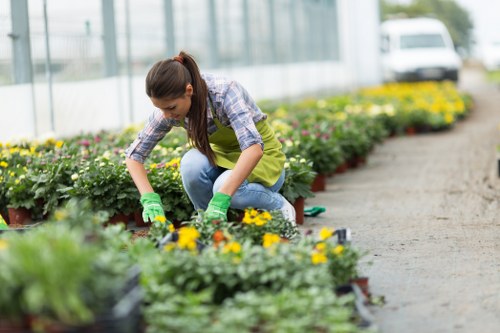 Gardeners Notting Hill is committed to creating an eco-friendly waste disposal area and a thriving sustainable rubbish gardening area across the neighbourhood. Our approach combines practical on-site recycling, collaboration with local authorities, and low-carbon logistics to reduce environmental impact while improving green spaces. Every pruning cut, soil swap and compost heap is an opportunity to divert waste from landfill and return nutrients to the soil.
We work with residents and landlords to set up clearly labelled separation points for green waste, wood, soil, and clean rubble to reflect the boroughs' approach to waste separation — kerbside food caddies, mixed dry recycling and designated bulky-waste collection streams. These separation methods mean garden-derived materials are much easier to route to the correct processing facilities rather than being treated as general rubbish.
 Our on-site eco-hubs are designed as accessible, low-footprint stations where gardeners can drop off plant cuttings, root balls and containers for reuse. They complement borough-operated household waste recycling centres and local transfer stations that accept compostable waste and inert materials. By diverting garden waste to transfer stations and municipal composting partners, we keep nutrients in the local green loop and reduce greenhouse gas emissions from landfill.
We set a measurable recycling percentage target to guide every season's work: an initial goal to recycle or reuse 75% of all garden-derived material within 18 months, with progressive improvements thereafter. This target covers green waste, timber, pots, used soil (when it can be remediated), and reusable infrastructure like trellis, compost bins, and raised beds. Reaching that figure creates a credible shift toward a circular model for urban gardening.
 Partnerships are central to our strategy. We partner with borough waste teams, municipal transfer stations, and social enterprises to route material responsibly. We also collaborate with charities and community organisations to redistribute reusable items: pots and planters go to community gardens, usable soil is offered to allotments, and gently worn tools are donated to neighbourhood projects. These relationships increase the life cycle of materials and support local social value.
To make sustainable waste handling practical for everyday jobs, Gardeners Notting Hill uses a mix of logistics solutions. A fleet of low-carbon vans and electric cargo bikes is used for short-distance moves and regular collections, with route optimization to minimise mileage and emissions. For heavier loads we deploy hybrid or biomethane-powered vehicles where available, ensuring the transport element of our sustainable rubbish gardening area aligns with broader decarbonisation goals.
We combine policy-aligned separation with simple on-site practices: clear labelling, colour-coded containers, and scheduled collections that mirror local authority timetables. Below are some of the recycling activity streams we manage:
- Green organics: grass, leaves and prunings to composting or anaerobic digestion;
- Wood and timber: sorted into untreated timber for chipping and reuse;
- Soil and turf: assessed and remediated where possible, or transported to transfer stations for processing;
- Containers and pots: cleaned, repaired and passed on to community projects;
- Construction debris: small-scale inert material separated for local recycling facilities.
 We keep close contact with local transfer stations and household recycling centres to ensure material goes to the correct destination. The boroughs’ mixed dry recycling systems work alongside our garden-specific streams — for example, plastic plant pots that are accepted in the local recycling stream are kept free from soil before collection, while contaminated materials are diverted to specialist recycling partners. This practical alignment helps avoid cross-contamination that can undermine overall recycling rates.
 Monitoring and reporting are part of our standard operations. We track tonnages, reuse rates and vehicle emissions to measure progress toward our recycling percentage target. Data informs route planning for our low-emission vans and the scheduling of drop-off windows at transfer stations. In addition, seasonal audits help us adapt practices to peak green waste periods while maintaining a sustainable rubbish gardening area that benefits residents and local ecosystems.
Community benefits and circular gardening
By designing an efficient, eco-friendly waste disposal area for gardeners across Notting Hill, we create multiple community benefits: improved soil health from returned compost, reduced street clutter, jobs created through partnerships with local charities, and lower transport emissions thanks to our low-carbon logistics. The emphasis on reuse and redistribution also means neighbours receive useful materials without added cost, building resilience in community green projects.
Next steps and long-term vision
Gardeners Notting Hill aims to embed recycling and sustainability into the culture of local gardening. Through collaboration with borough waste services, trusted transfer stations, charity partners and a fleet of cleaner vehicles, our goal is to demonstrate a replicable model for urban green waste management. We will continue refining our systems — always focusing on practical separation, responsible routing, and measurable reductions in landfill and transport emissions.
Join the movement by adopting simple separation practices in your gardening work and by supporting the redistribution of reusable materials — together we can make Notting Hill an exemplar of sustainable urban gardening and circular waste practices.

